



IT Operations Optimization
Fragmented visibility and recurring service friction limit operational control. We combine enterprise-platform expertise and engineering capability to improve visibility, service control and the value you get from your technology.
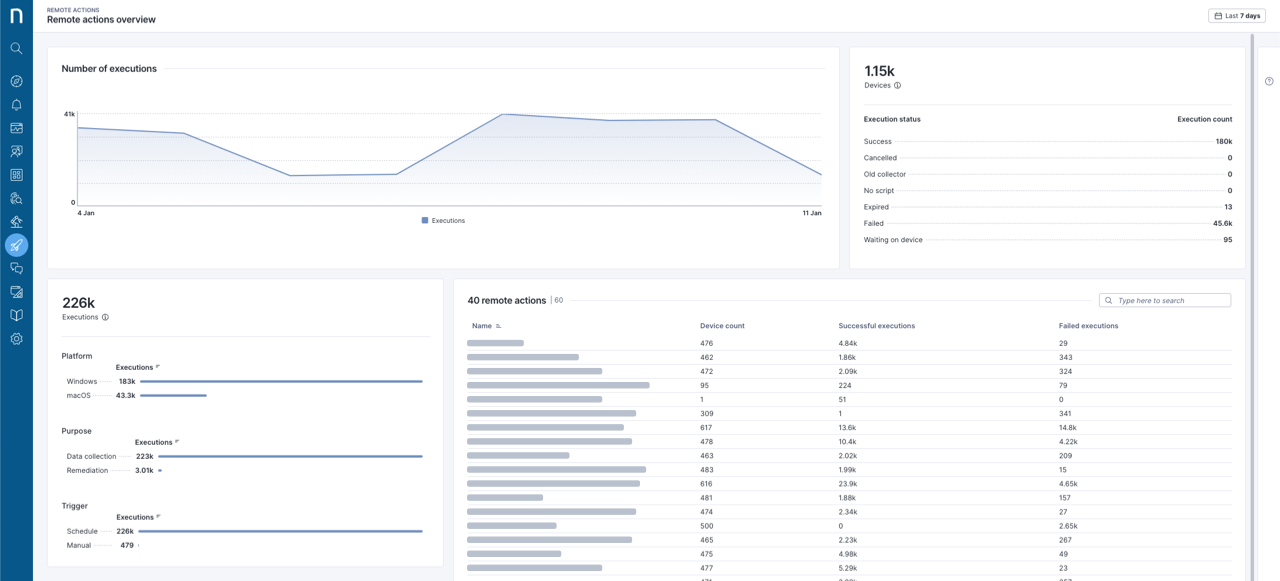
Clarify what needs to change—and why it matters.
We confirm these points with your stakeholders, data and dependencies before recommending a route.
Customer problem
- Recurring service friction can be investigated repeatedly without a shared operational view.
- Signals, tickets and remediation work often sit in separate tools and queues.
- Reactive priorities can crowd out structured prevention and service improvement.
Business impact and decision
- Improve operational visibility without predetermining performance outcomes.
- Prioritize repeat issues through an evidence-led service backlog.
- Clarify ownership from diagnosis through controlled action and review.
Move from context to an accountable delivery route.
How we move from your operating context to a clear, accountable delivery plan.
Operational Challenges
Recurring incidents are often investigated again and again because teams lack a shared operational view. We start with the operating issue, where it appears, who owns it and what evidence exists, rather than with a tool.
Visibility, Diagnosis and Action
Better operations follow a simple loop: make the issue visible, diagnose its cause with evidence, then act through a fix, a governed automation or a process change, and confirm the result.
Service Desk and Proactive Operations Routes
Service desk automation reduces manual work on routine requests. Proactive IT operations uses monitoring and experience signals to address recurring issues earlier. Many organizations start with one and connect the other later.
Managed Capacity
For ongoing work, we provide specialist capacity with an agreed intake queue, priorities set by your owners, a regular review cadence and clear completion evidence. Responsibilities between your team and ours are documented up front.
Method
We follow the same method throughout: assess the problem and the evidence, implement the agreed scope, operationalize ownership and cadence, then improve based on what the evidence shows.
What We Can Show You
We can share our delivery method, examples of operational reviews and backlog structures, and the controls we use to manage access and change in your environment.
Next Step
Bring one recurring operational issue and the decision you need to make about it. We will help you choose between an assessment, an automation route and ongoing specialist capacity.
We measure improvement against your own baseline. No resolution-time or service-level results are implied.
Continue with the evidence and service route.
Discuss your IT operations priority.
Tell us the priority, your current operating context and the decision you need to make. We will suggest a practical discovery or delivery route, and agree scope, timing and commercials with you before work starts.